
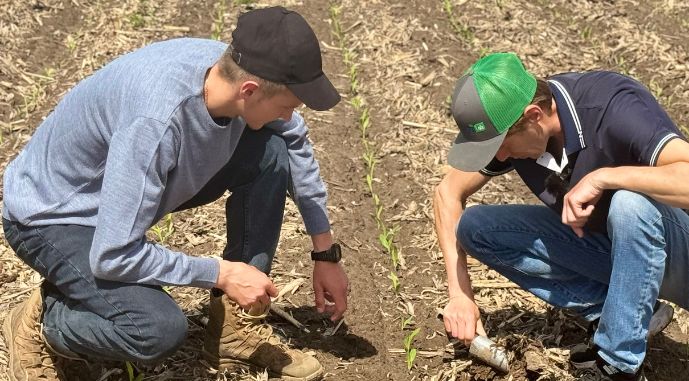
Technology: BEDNAR MULCHER MZ Rotary Mulcher + BEDNAR STRIP-MASTER Strip Cultivator
In this treatment, straw mulching had a significant impact on the microclimate in the row zone. During previous observations of soil temperature at the time of sowing, the soil under the mulch was found to be, on average, 1–2°C cooler than in areas where the soil surface was partially exposed. This affects decisions regarding the optimal sowing window. It is important to consider the optimal soil temperature for sowing under different tillage technologies.
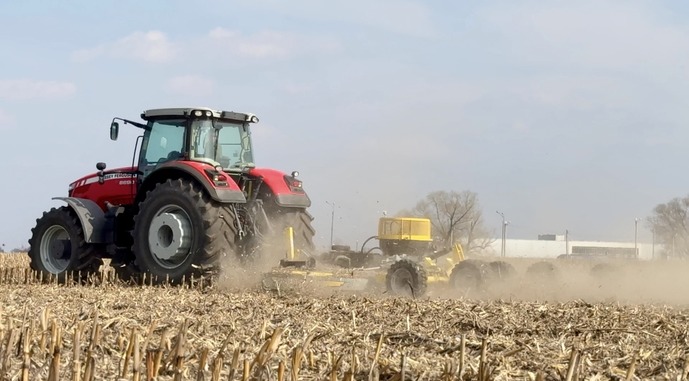
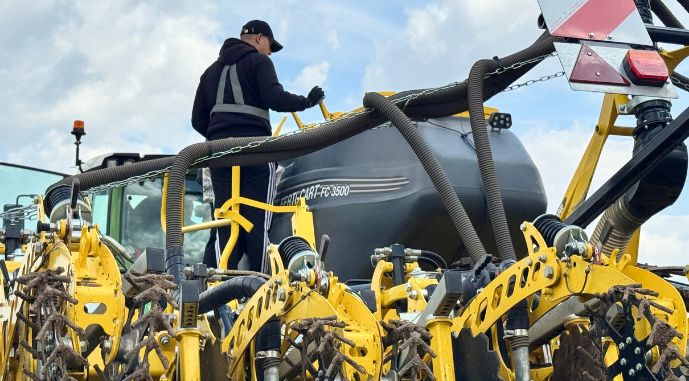
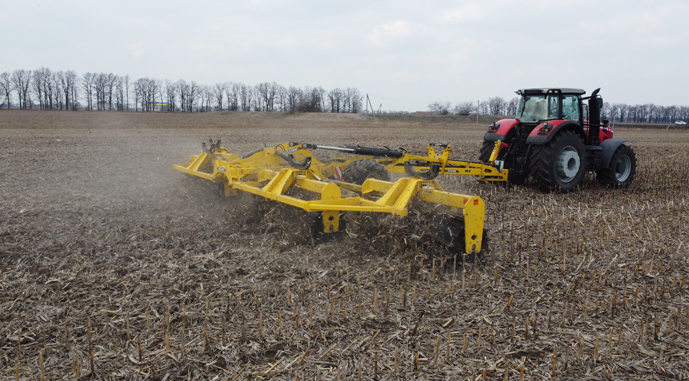
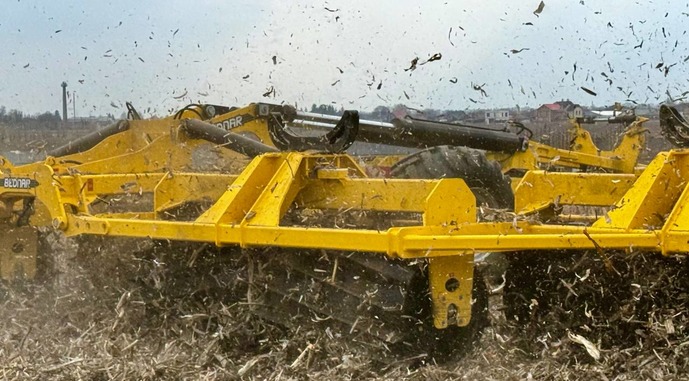
Technology: BEDNAR DURACUT TE 12400 Roller-Mulcher + STRIP-MASTER Strip Cultivator
This treatment showed the highest emergence uniformity. Mixing the straw with the soil resulted in more even warming, which contributed to a more vigorous start.
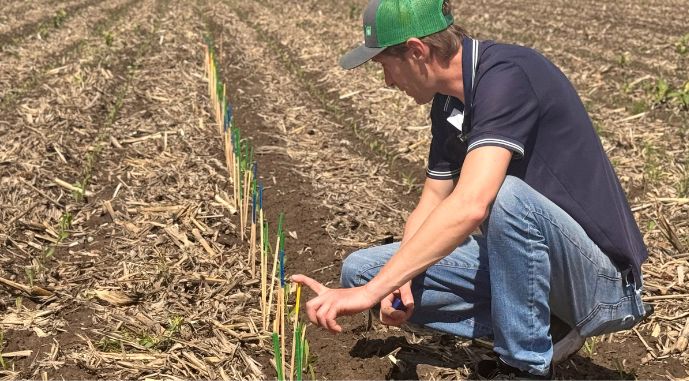
“We saw the vast majority of seedlings emerge already on the first day. The soil warmed up better because the straw did not form a continuous layer over the surface. As a result, up to 100% of the plants emerged on the first day and partly on the second,” says AgriLab expert Volodymyr Makhota.
Technopol Technology: Volta 6000 Tine Harrow + Direct Seeding
Sowing conditions were cool, but most seedlings emerged on the first and second days. At this stage, the remaining plant residues on the field surface are actively mineralizing.
“We introduced this technology in the spring, but we can already see that plant residue mineralization is working effectively. This means that the nutrients contained in the residues will become available to the crop,” explains Volodymyr Makhota.
What Influenced Emergence Dynamics?
One of the key factors was the level of surface coverage by plant residues. The denser the residue cover, the more slowly the seed zone warmed up.
“Even a difference of one or two degrees can mean a one-day difference in emergence. When the soil is cooler, we see lower emergence uniformity — meaning that some plants emerge later, which can already create potential competition,” adds the AgriLab specialist.
At the same time, the expert emphasizes that if the difference is only in the timing of emergence, it does not have a significant impact on yield. The problem can arise only when emergence uniformity drops sharply and plants in different stages of development are growing in the field at the same time.
At present, all three technologies are showing high-quality emergence. Despite minor differences in early emergence dynamics, most plants emerged within the first two days after sowing. This makes it possible to expect good crop uniformity and potentially high productivity going forward.
Source: AgroPortal

