
This year, Agrilab and its partners established a series of trials at five locations across different soil and climatic conditions in Ukraine to evaluate and demonstrate which tillage and crop nutrition technologies, as well as their combinations, perform best under different conditions. The main focus is on moisture-saving and resource-efficient technologies. This is the Profitable Field project!
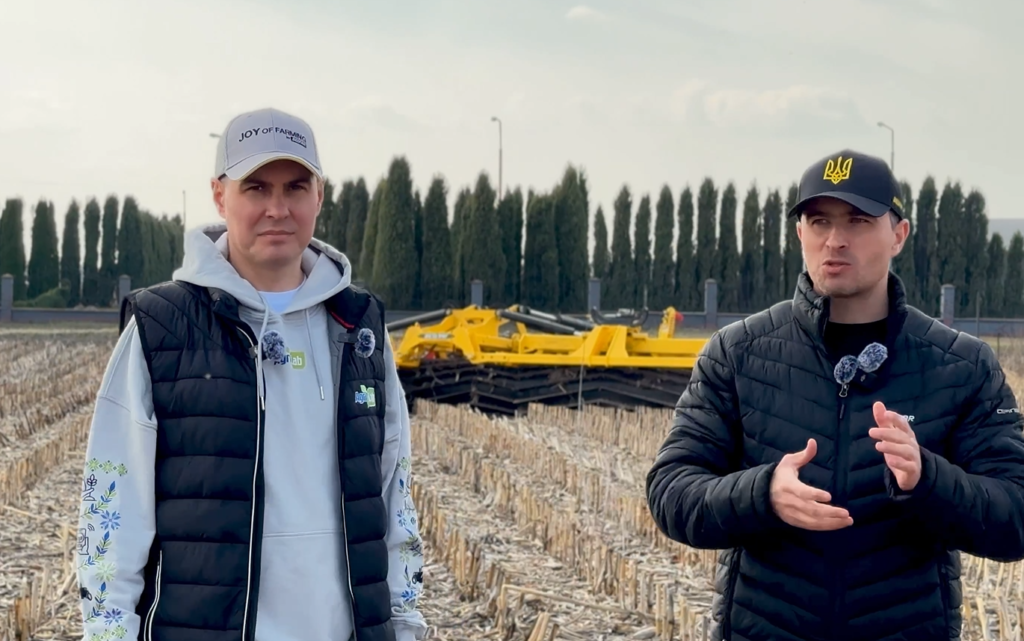
All information from these trials is collected on a single platform — PFTField, which is built around the experience of our progressive farming operations. The platform showcases modern agricultural technologies and solutions designed to improve the efficiency and profitability of crop production.
Our partners in this project are:
- BEDNAR Ukraine
- Ukrainian Agro-Industrial Group
- Technopol
- Vitera
- Agromix
- ICL
- Quantum
- UTK Khimalliance
- Ecoorganic
- LG Seeds
- Orbis Agro
- ELICIT PLANT
- Titan Machinery
- AMAKO
- NFM Agro
- Agroresurs
One of our locations is an experimental site in Kyiv Region, near Boryspil, on land directly leased by Agrilab near our office. If you want to earn your partners’ trust, what better way is there than to demonstrate the results of using effective solutions and their combinations on your own fields?
Grain corn was planted here. Hybrid: LG 31305. Seeding rate: 65,000 seeds/ha. Area: 8.0 ha. Soil type: gray podzolic soils. Target yield: 8 t/ha. Number of experimental variants: 50.
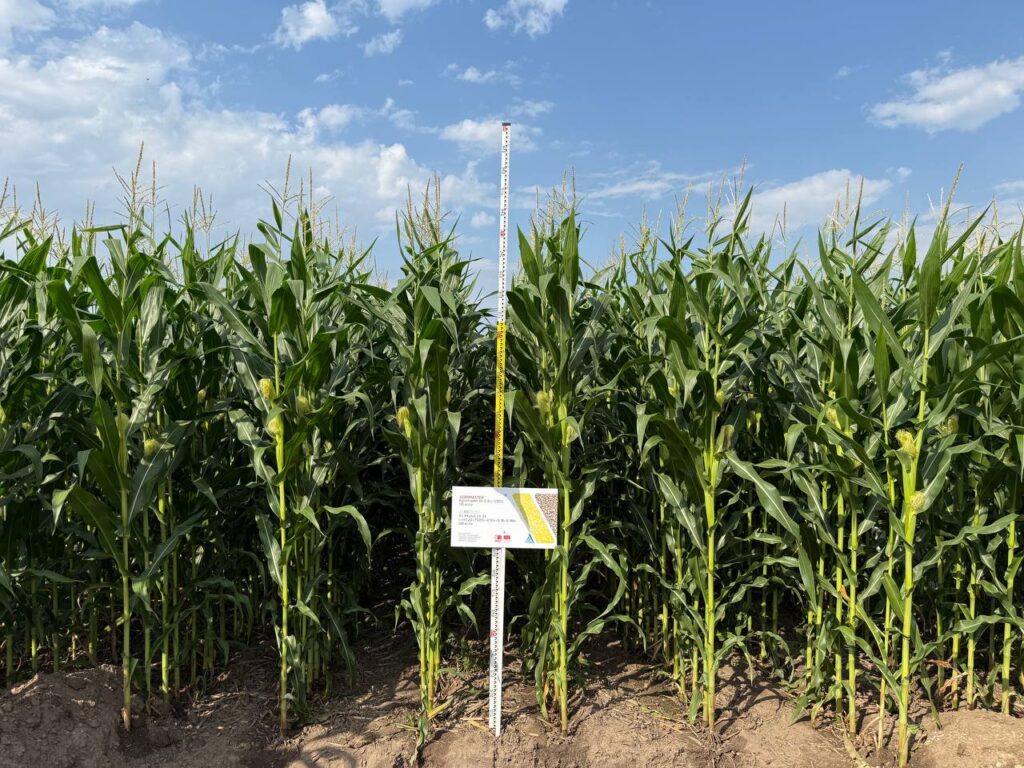
Before the main field operations began, soil analysis was carried out. We practice what we preach, so soil analysis is also mandatory on our own experimental plots. You can find the detailed results here.
This year, we have received 277 mm of annual precipitation, which is almost twice as little as in previous years. Once again, this demonstrates that moisture availability is becoming increasingly challenging, and farmers need to find ways to remain productive under these conditions.
Our initial objective was to apply different energy-efficient technologies in the field, as well as determine the optimal timing for planting and fertilizer application. We aimed to preserve as much soil moisture as possible and assess the impact of different technologies on moisture conservation, so we applied several approaches. Surface tillage and strip formation were used, followed by different crop nutrition solutions and products.
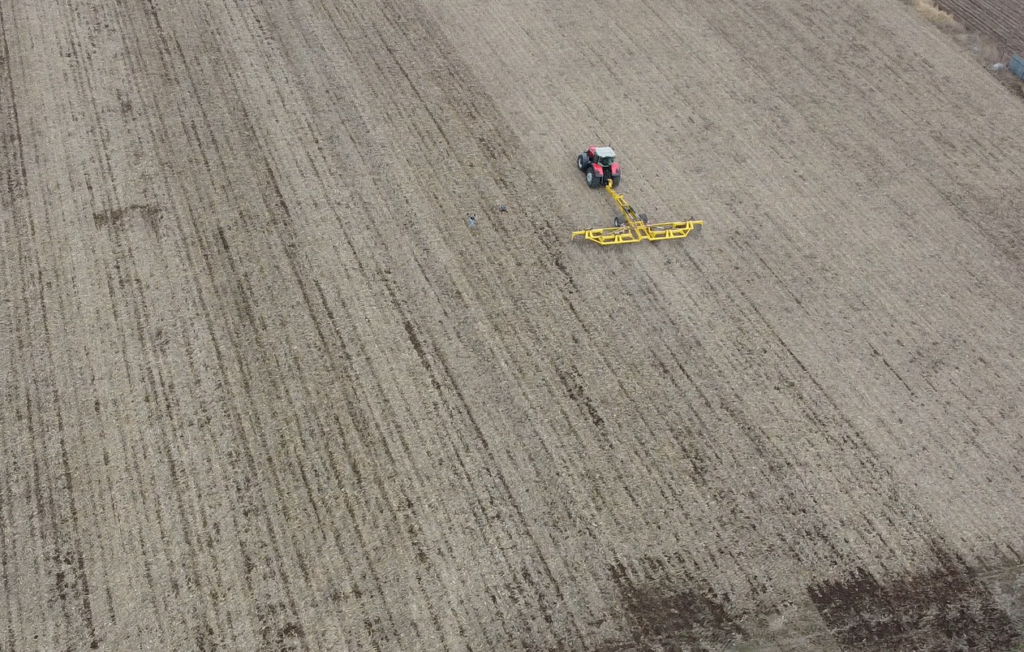
Field 6
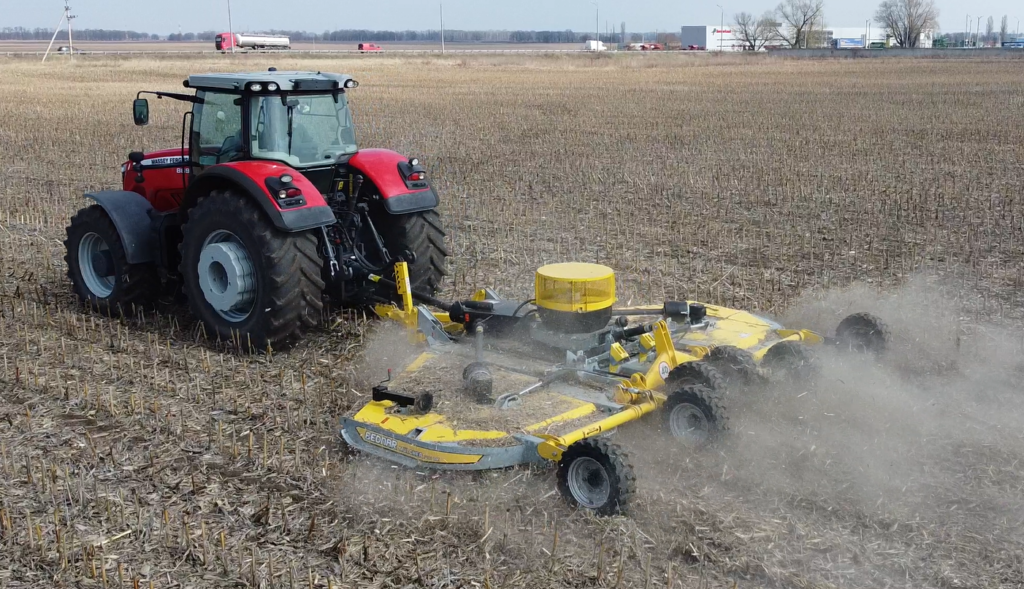
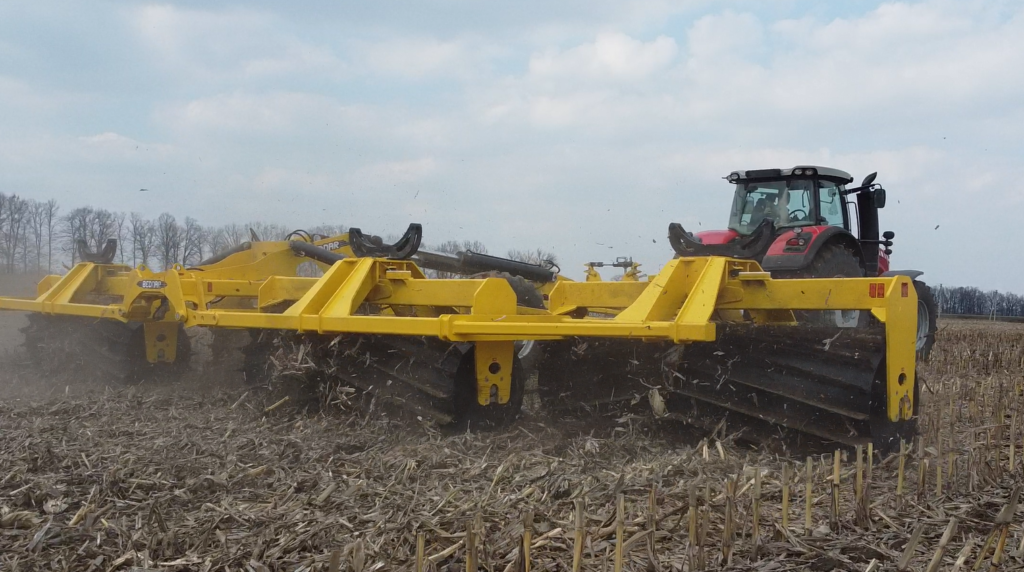
Mulching and surface tillage were carried out on the field using BEDNAR equipment — the MULCHER MZ6000 mulcher and DURACUT TE 12400 roller-crusher. Seedbed preparation was performed by forming strips with simultaneous application of granular fertilizer using the STRIP-MASTER EN 6000 cultivator with a FERTI-CART FC3500 hopper.
The advantages of strip-tillage include faster warming of the tilled soil strips, improved aeration, reduced erosion, better water infiltration compared with direct seeding, and the targeted application of mineral or organic fertilizers directly into the strips.
The machinery used to establish the trials within the project was provided by BEDNAR dealers — Agroresurs, AMAKO, NFM Agro, and Titan Machinery.
Field 5
On this field, we applied Technopol’s “Power of Living Soil” technology, which focuses on moisture conservation, increasing soil biodiversity, and building up soil carbon to improve fertility and productivity. Pre-sowing soil preparation was carried out using the universal tine harrow Volta 9000, along with UAN application to promote the mineralization of crop residues. Against this background, direct seeding of a range of hybrids was carried out, together with different fertilization programs using liquid starter fertilizers.
Different fertilization programs were implemented under these tillage systems using nitrogen and phosphorus-potassium granular fertilizers, as well as seeding with simultaneous application of different liquid starter fertilizer and UAN programs. Products from Vitera, Quantum, ICL, Agromix, and Ecoorganic were used in the trials.
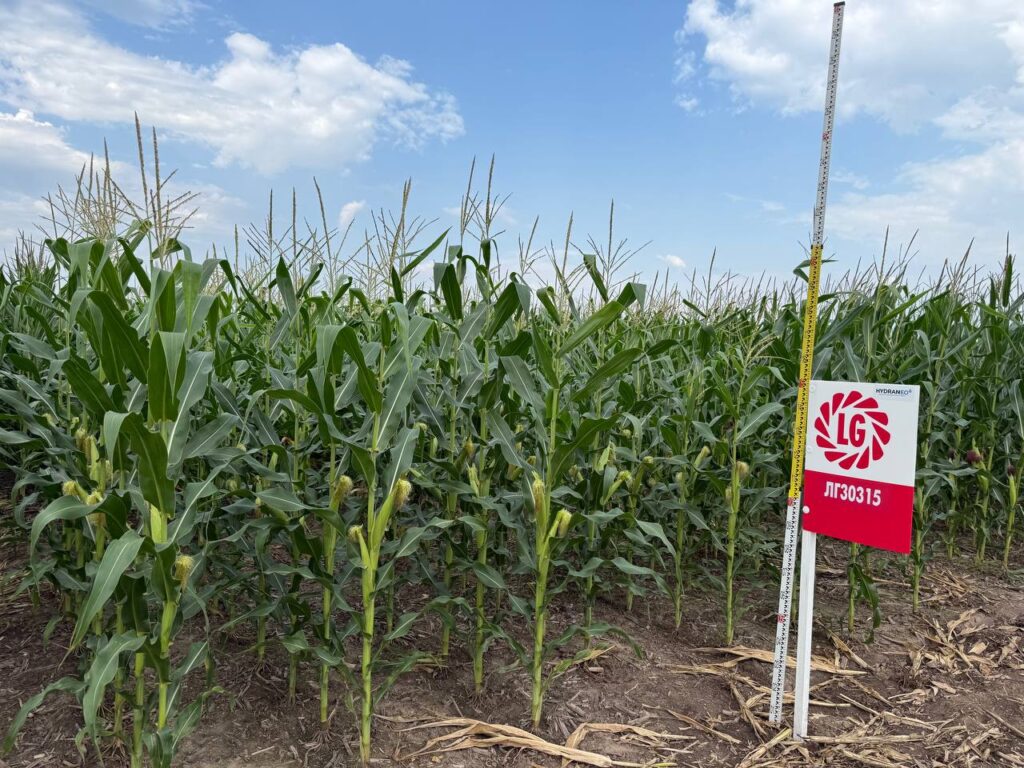
Strip formation created optimal soil physical conditions for root system growth and development, allowing the roots to develop successfully. This is one of the outcomes we aimed to achieve by combining the solutions used at the experimental site.
The overall set of technological operations also helped keep the target yield at a high level. Achieving the planned result under dry conditions, as established at the beginning of the year, is the strongest evidence of the effectiveness of the selected solutions.
The time to harvest the corn is coming soon — and then we will be able to fully evaluate the results of the selected technological solutions. They will show us what works best under the conditions of Kyiv Region. We will present and discuss all the results at the final conference of the year. Don’t miss it!

