After being forced to relocate due to the full-scale invasion, AGRIA not only resumed operations in a new region but also took a decisive step toward implementing precision and efficient farming. Through cooperation with AgriLab LLC, the company received soil analysis for all its fields and four agronomic and technological consultations, enabling it to rethink its approach to field management. This progress was made possible thanks to support from the American people through the Agricultural and Rural Development Program (AGRO). It is a story of adaptation, resilience, and the implementation of technologies that are transforming Ukrainian agriculture.
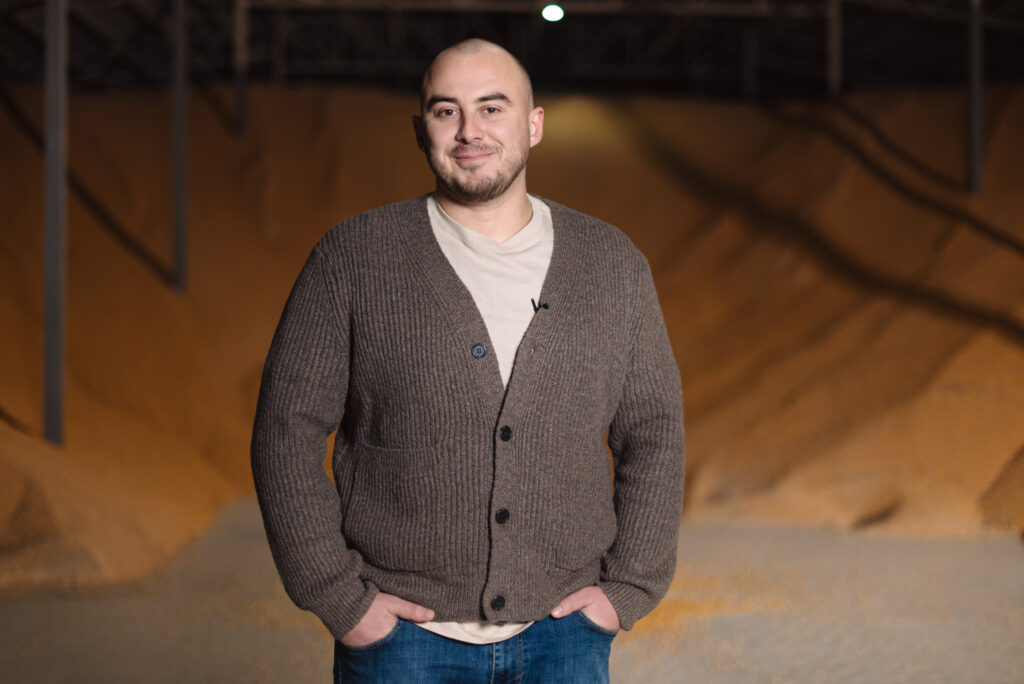
Artem Syrotiuk, Executive Director of AGRIA LLC
Until 2022, AGRIA LLC operated in eastern Ukraine. Following the full-scale invasion, however, the company was forced to partially relocate its operations: its cluster in Luhansk Region remained under occupation, while its farm in Donetsk Region was located in a frontline area. In June 2022, the company began operations in Makariv, Bucha District, Kyiv Region. The company currently manages a land bank of approximately 4,000 hectares, comprising 120 fields. It grows grain and industrial crops, including corn, soybeans, and sunflower.
Under the new operating conditions, AGRIA LLC faced a number of challenges, including significant soil variability, the need to clear some fields of mines, a lack of accurate agrochemical data, and substantial yield variation even within individual fields.
“We immediately saw that the soils were highly variable,” explains Artem Syrotiuk, Executive Director of AGRIA LLC. “Even the soil color differed visibly within the same field, while corn yields ranged from 0 to 12 tonnes per hectare. This was a serious signal: we could not work according to a standard approach — we needed a precision-based approach.”
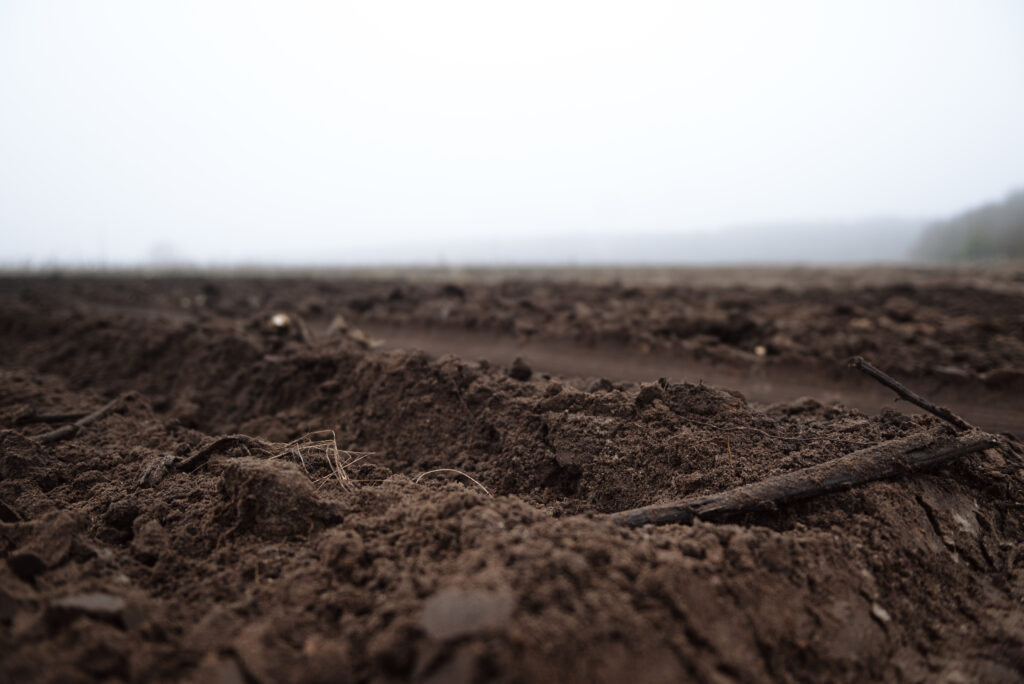
A wide range of soil types was identified across the farm’s fields, including sod-podzolic soils, dark-gray and gray podzolized soils, sod-gleyed sandy loams, lowland peat soils, meadow chernozems, and others.
Soils at AGRIA LLC
To avoid working “blind,” AGRIA LLC turned to AgriLab to improve field performance by implementing innovative precision farming technologies. The results of the soil analysis and expert assessment by AgriLab specialists showed that almost 80% of the surveyed area required soil amendments, with more than half of these areas requiring a variable-rate approach.
“The soil analysis results showed that our fields include both medium- and low-productivity areas that are insufficiently supplied with nutrients. We also identified more pronounced adverse soil properties, including mild to moderate acidity and sodicity. For example, on one field, soil pH ranges from 4.9 to 7.5,” says Artem Syrotiuk, Executive Director of AGRIA LLC.
In addition, the assessment showed that more than 50% of the area requires variable-rate nitrogen application, more than 30% requires variable-rate phosphorus application, more than 60% requires variable-rate potassium application, and 70% of the fields require variable-rate seeding. The company’s existing machinery fleet was also assessed, and its needs for implementing precision farming technologies were identified.
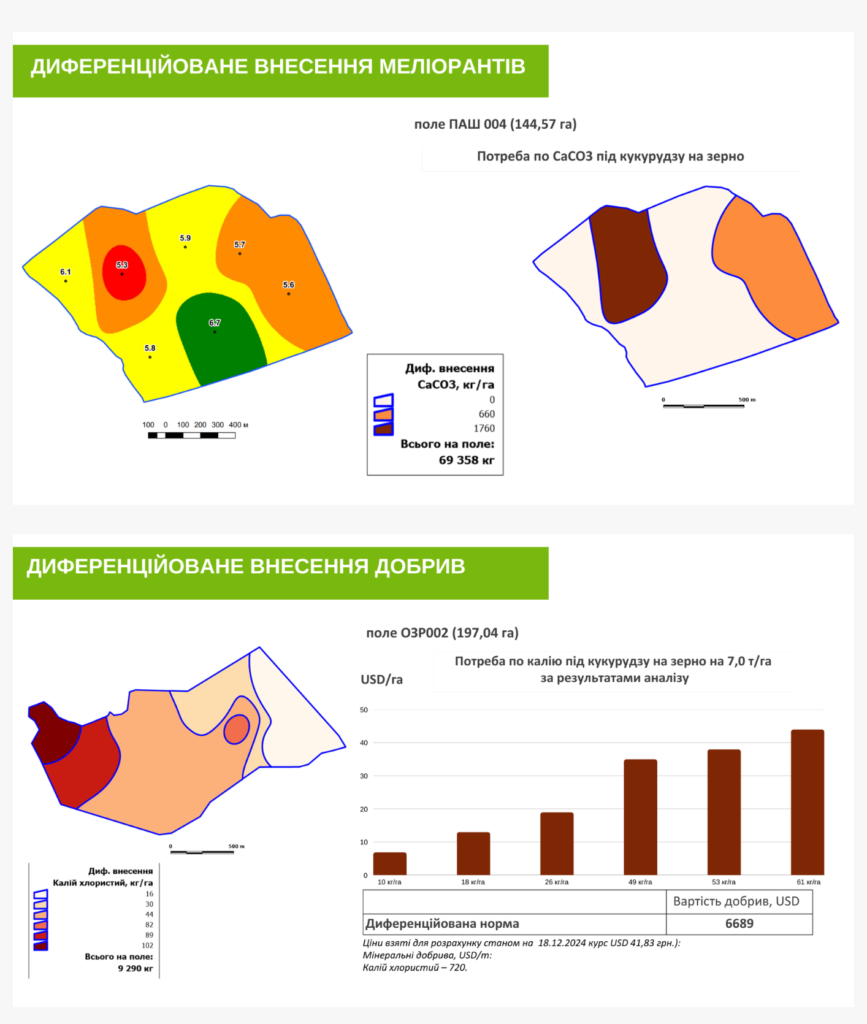
.
Based on recommendations from AgriLab specialists, AGRIA LLC revised its crop nutrition approach: fertilizers are now applied according to the actual nutrient status of each field. Since autumn, the company has switched to a system of variable-rate nitrogen and potassium application while also taking phosphorus, magnesium, and zinc requirements into account. To improve soil structure and reduce acidity, the application of beet lime is planned.
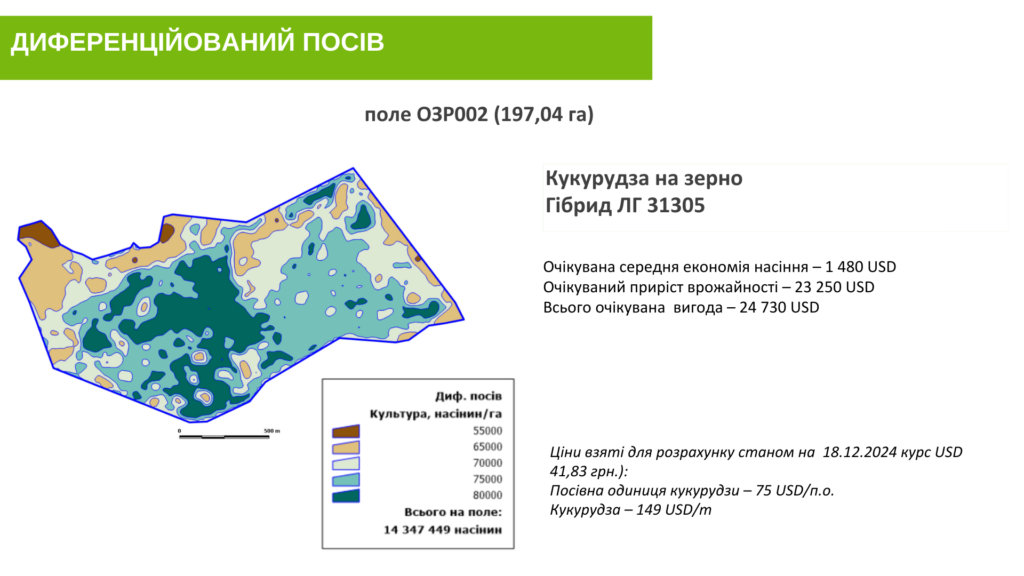
.
“It is still difficult to judge the results based on yields because 2024 was an unusual year in terms of rainfall. This affected the results. However, we allocated fertilizer rationally based on the analysis results, and we managed to save money. We realized that conducting soil analyses was the right decision. Now we know exactly where and how much fertilizer to apply, what is better to plant in different areas, and where we can expect high yields and where we cannot,” emphasizes Artem Syrotiuk.
The cooperation with AgriLab, made possible through support from the American people under the Agricultural and Rural Development Program (AGRO), is already demonstrating significant potential for improving economic efficiency. The farm has estimated the expected results, and the figures speak for themselves. The expected benefit from implementing variable-rate seeding on the analyzed areas may exceed $80,000. Another approximately $18,000 could come from increased yields resulting from variable-rate fertilizer application, while the implementation of soil amendment measures could generate an additional $26,000. Overall, the expected financial effect exceeds $120,000. Although the final results are still ahead, the farm is already confident that joining the initiative was the right and strategically sound decision.
AGRIA has clear plans for the further development of precision farming. The main focus will be on expanding variable-rate fertilizer application and seeding, allowing farming technologies to be better adapted to the needs of each field. The next step will also be the introduction of variable-rate crop protection product application, which will enable more precise control over the use of crop protection products and reduce field treatment costs. Significant attention will also be paid to soil amendment measures, particularly in the farm’s most problematic areas, helping improve soil structure and increase productivity. Combined with expansion of the machinery fleet and further technological improvements, these measures will help increase operational efficiency and reduce costs while contributing to the company’s long-term sustainable development.
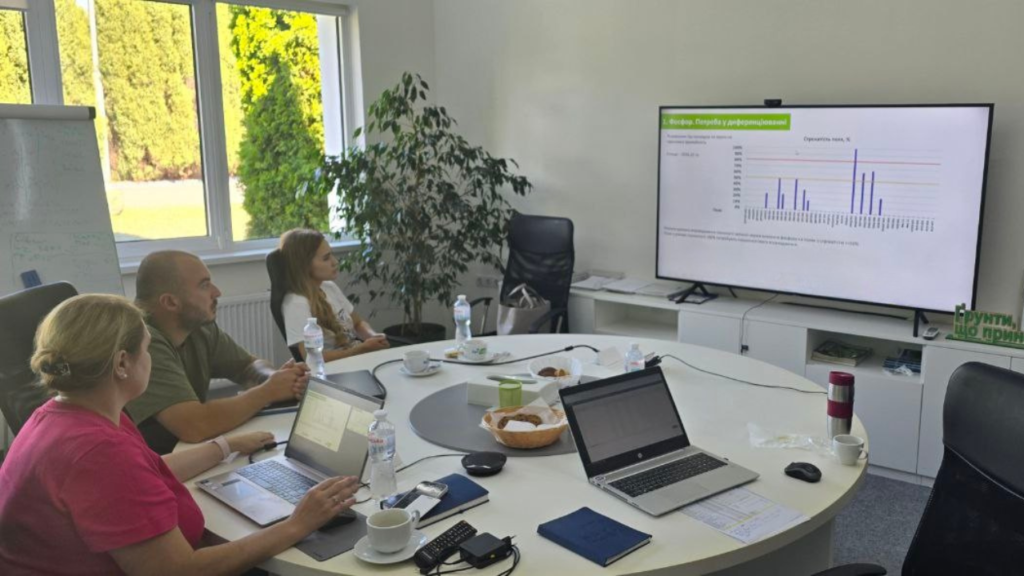
Several important stages were implemented as part of the program, ranging from soil analysis to a series of agronomic and technological consultations covering all key areas of modern field management.
“During the first agronomic and technological consultation, we received soil agrochemical maps, an analysis of weather and climatic conditions, and field history data. We calculated the potential of the soils and determined the level of achievable yield. In addition, we received clear recommendations for the crop fertilization system, taking into account application rates, fertilizer forms, timing, and application methods,” says Artem Syrotiuk.
The second stage included detailed recommendations for variable-rate application of the key nutrients — nitrogen, phosphorus, potassium, sulfur, and zinc. The need for soil liming was also assessed, and options for variable-rate seeding were proposed.
“At the third stage, we assessed our company’s machinery fleet and, together with AgriLab specialists, developed a modernization strategy to better implement precision farming technologies. Finally, during the fourth stage, we gained practical knowledge about the use of remote sensing technologies and received training in the effective application of these tools,” Artem Syrotiuk concluded.
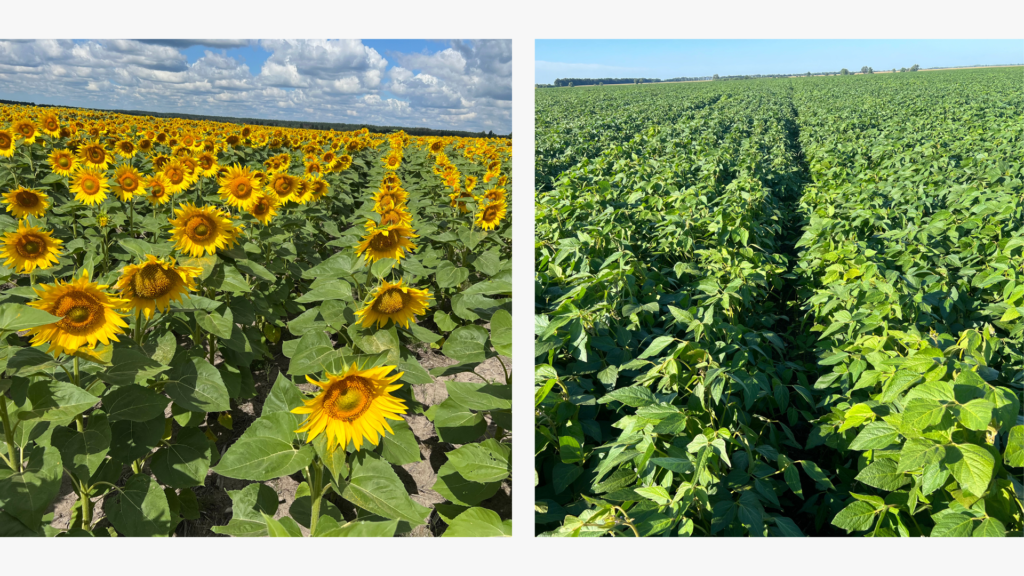
Fields of AGRIA LLC