
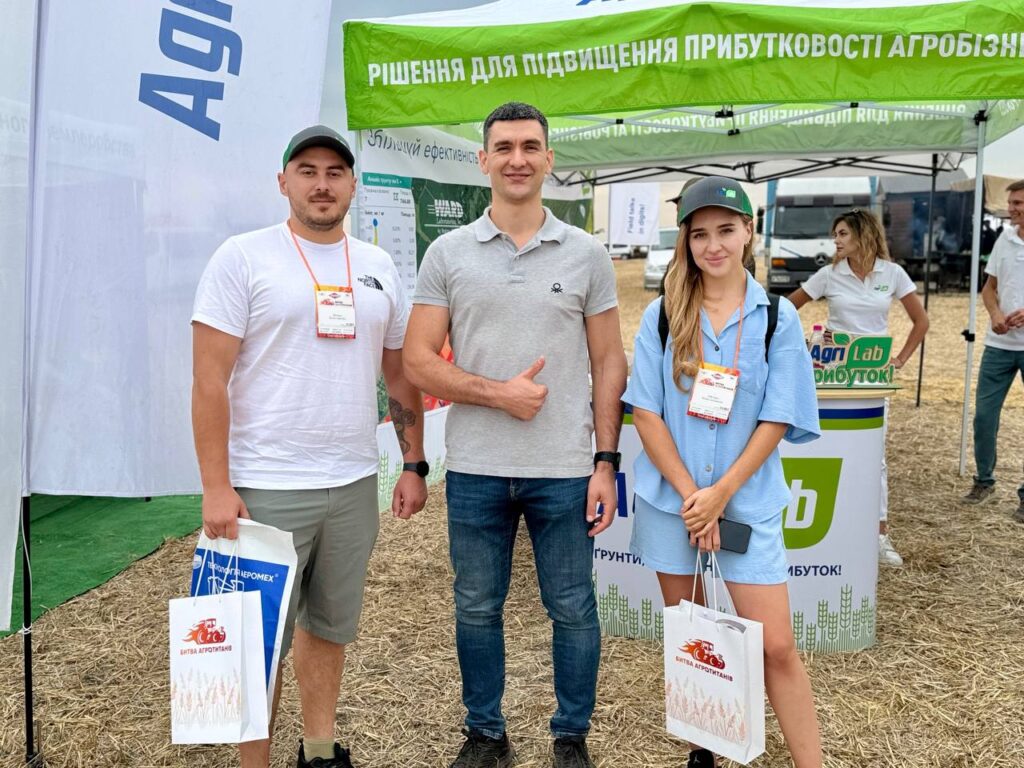
Artem Syrotiuk (AGRIA), Yevhenii Predchenko (AgriLab), Polina Antypenko (AGRIA)
AGRIA is located in Bucha District, Kyiv Region. The farm manages approximately 4,000 hectares of agricultural land across 120 fields. The predominant soil types include sod-podzolic soils, sod-gleyed sandy loams, dark grey podzolized soils, sod-podzolic soils, grey podzolized soils and sod-hidden-podzolic soils. Other soil types are present in smaller proportions, including light grey and dark grey podzolized soils, gleyic sod-podzolic soils, gleyed grey podzolized soils, meadow chernozem soils and lowland peat soils.
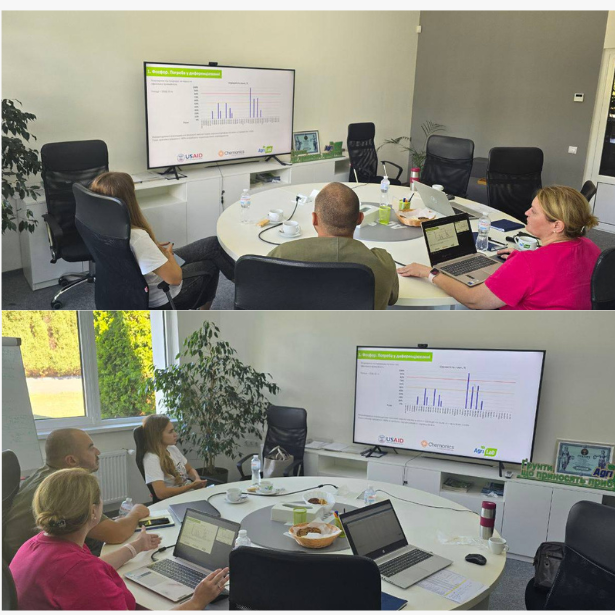
In-person review of the first and second agronomic and technological consultations conducted as part of the joint project between AgriLab and the USAID AGRO Program.
Cooperation with AgriLab began in December 2023, and from the very first stage it became clear that innovative precision farming technologies could significantly improve the situation.
As Artem Syrotiuk, the farm’s director, explains: “Before working with AgriLab, we faced the problem of soil variability. Within a single field, we observed differences in soil colour, which in turn led to significant fluctuations in crop yields.”
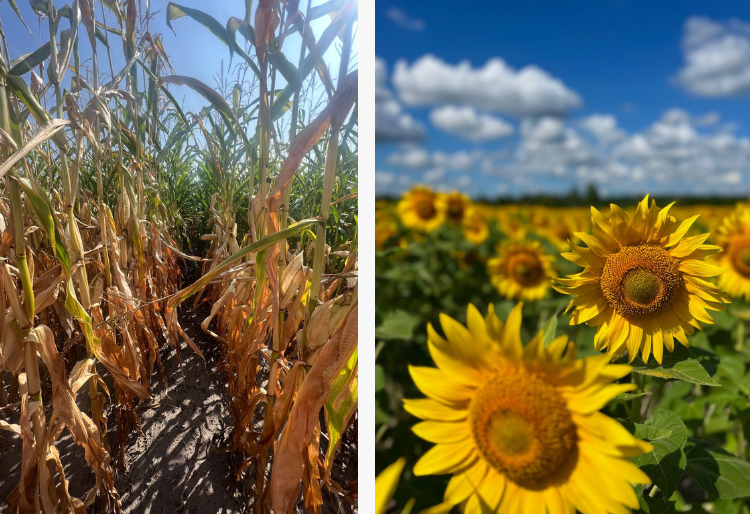
AGRIA farm fields
The results of soil analyses revealed just how variable the fields at AGRIA were and which nutrients were lacking. The company therefore decided to apply fertilizers according to the specific needs of each field. This made it possible to redistribute fertilizer applications and optimize costs.
Artem Syrotiuk explains: “Our analyses identified medium- and low-productivity soils with insufficient nutrient availability. We also discovered more pronounced unfavourable soil properties, including slight to moderate acidity and solonetzic characteristics.”
Following recommendations from AgriLab specialists, AGRIA adjusted fertilizer applications and optimized costs. Starting this autumn, fertilizer applications have taken into account crop requirements for magnesium, phosphorus and zinc, while nitrogen and potassium are being applied at variable rates. To improve soil structure and reduce acidity, sugar beet lime (defecate) will be applied.
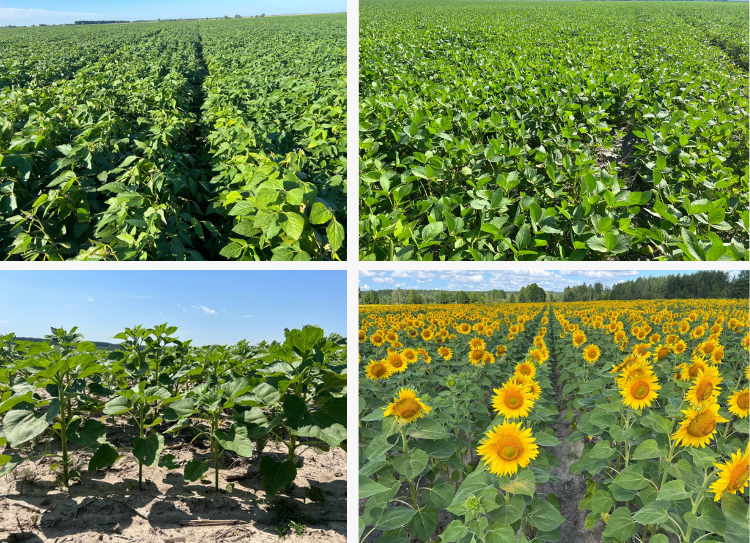
AGRIA farm fields
Artem Syrotiuk notes: “It is still difficult to assess the results based on yields because this year was unusual due to rainfall, so yields have not increased. However, we have allocated fertilizers more rationally based on the analysis results, which has enabled us to save money.
“We realized that conducting soil analyses was the right decision. We now have a sound, evidence-based approach to fertilizer application, as well as a better understanding of which crops are best suited to specific parts of our fields, where we can expect high yields and where we cannot.”

