Dmytro Dibrov, Chief Agronomist at Dibrova i K Farm, part of the Carefield group of companies, shared with us the farm’s journey from conventional to precision farming. Carefield is one of the companies successfully adopting innovative technologies to optimize resource use and improve soil fertility. The farm has been working with AgriLab since 2015, and over the years has implemented a range of effective solutions based on recommendations from AgriLab specialists.
Dibrova i K Farm is located in Vinnytsia Region and cultivates 1,400 hectares, 900 of which are irrigated (800 hectares using sprinkler irrigation systems and 100 hectares under drip irrigation). The farm is located near a river, which affects the structure and composition of its soils. The soils in the area where Dibrova i K’s fields are located are predominantly sandy loams, loams, and sand with low organic matter content: humus levels are only 1.5–1.9%, requiring a particularly careful approach. At the same time, humus content in areas near the river reaches 7%. Nevertheless, Dibrova i K grows seed corn, commercial sunflowers, soybeans, winter wheat and barley, as well as peas, sugar beets, and spring barley.
Dibrova i K conducted its first comprehensive soil analysis back in 2015. A repeat analysis was carried out in 2019, followed by a third in 2024, making it possible to track changes over time and assess the effectiveness of the agricultural technologies implemented.
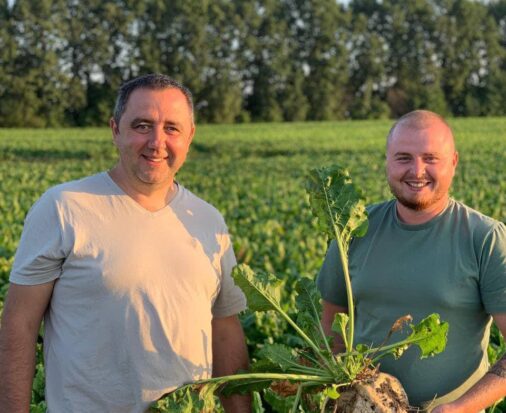
One of the first steps in optimizing plant nutrition was the implementation of variable-rate liming. Soil analyses revealed significant variations in pH across different areas, and based on these data, a variable-rate soil amendment application map was developed. This approach made it possible to use lime more efficiently, directing it to the zones where it was actually needed.
An important result of implementing recommendations from AgriLab specialists was achieving optimal potassium and phosphorus levels in the farm’s fields. In 2019, based on AgriLab’s recommendations, the farm began applying phosphorus and potassium fertilizers, gradually increasing the levels of these nutrients in the soil. By 2024, their content had nearly doubled, demonstrating the effectiveness of a systematic approach to plant nutrition.
Next Steps: Scaling Up Variable-Rate Fertilizer Application
With new soil analysis data in hand, Dibrova i K Farm plans to scale up its variable-rate mineral fertilizer application system. This approach will help reduce costs and optimize resource use, as fertilizers will be applied only where the soil actually needs them, maximizing application efficiency and improving crop yield profitability.
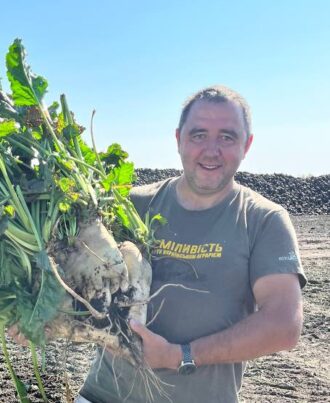
“We plan to fully transition to precision farming, which is why we turned to AgriLab. This year, we have already collected soil samples and received the results. We have also developed maps based on management zones, allowing us to apply fertilizers exactly where they are needed and in the right amounts. The same applies to chemical soil amendments for liming. Thanks to AgriLab’s recommendations and productivity zone maps, we can now not only apply fertilizers and soil amendments, but also carry out variable-rate seeding, taking into account specific soil conditions.”


