
You invest money in fertilizers, use the latest technologies, but the results still fall short of expectations? What’s going wrong?
Facts from the field:
 Zinc deficiency — up to 1 t/ha less corn yield, or even more
Boron deficiency — up to 30% soybean yield loss
Calcium, magnesium, and sulfur deficiencies — reduced crop resilience and lost yield potential, even when the main fertilizers have been applied.
Today, most farmers focus on nitrogen, phosphorus, and potassium (NPK), but why are other essential nutrients often overlooked?
To reach the full yield potential of a crop, 18 essential elements need to be taken into account.
Nitrogen, phosphorus, potassium, calcium, magnesium, sulfur, and sodium support plant health. But without micronutrients — iron, manganese, boron, zinc, copper, and molybdenum — yields simply won’t reach their potential. Even hydrogen (H), carbon (C), and oxygen (O) play an important role.
Most farms pay little attention to soil acidity, magnesium, calcium, sulfur, and especially micronutrients. That’s a mistake. The balance of these elements determines whether a plant can effectively take up nitrogen and phosphorus or whether these nutrients are simply lost through leaching.
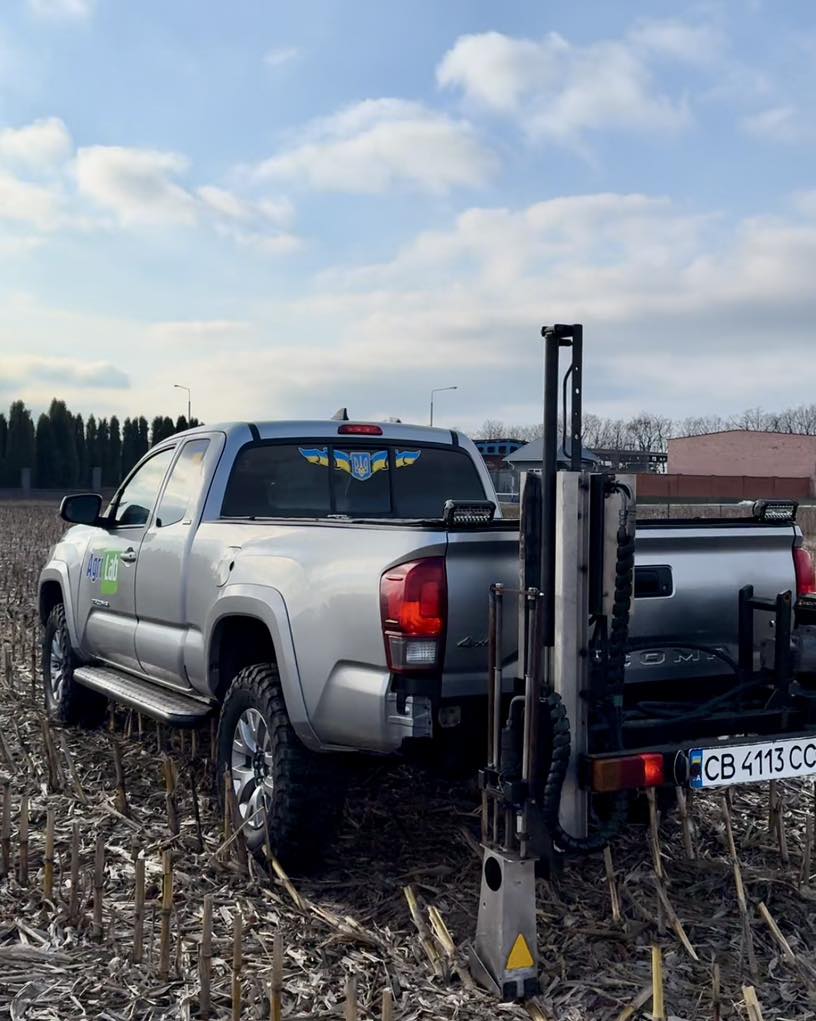
Soil analysis is not an expense. It is an investment that pays off through higher yields.
The 2025 season has already begun.
While there is still time, it is worth making decisions based on accurate data rather than assumptions.

